
Ever had your keelboat lean over and the helm loaded up in seconds? That's a heel feeding weather helm. The boat starts turning into the wind, so you crank the rudder to hold course.
Now the rudder becomes a brake, and your speed drops. In a gust, the boat may round up hard, and you’ll feel like you’re wrestling it.
Don’t worry about that. In this article, you’ll find practical ideas that help you keep control and sail with a lighter helm.
Why Heel Changes Steering, Speed, and Control
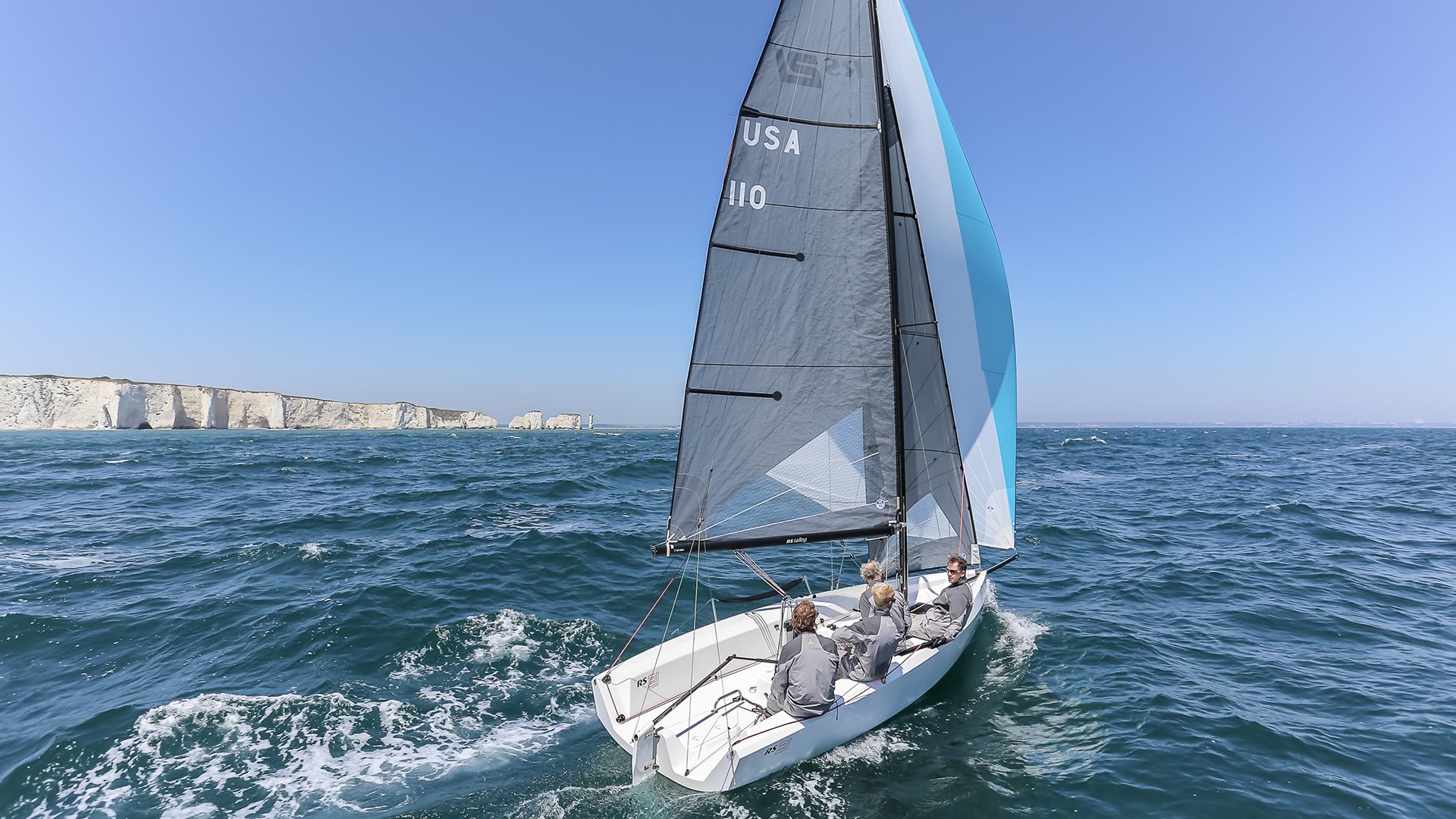
Heel isn’t just a comfort issue. It changes how the boat steers and how well it goes upwind.
When the boat heels too much:
- Steering gets heavier: The boat wants to turn upwind on its own.
- Speed drops: You hold the rudder off center, and it drags through the water.
- Upwind control fades: The keel can’t grip as well, so the boat slides sideways.
Once you know what’s causing the change, you can fix it sooner.
Two Forces That Decide Helm Balance
These two points control helm feel:
- Center of effort (CE) is where the wind pushes the sails.
- Center of lateral resistance (CLR) is where the keel and hull resist the water.
When those points line up well, the boat wants to go straight. The rudder stays near the center, and you steer with small inputs.
When they don’t line up, the boat wants to turn. If the sail force sits too far aft, the bow wants to head up, and you feel the weather helm.
Why the Boat Turns Toward the Wind When It Heels
A flat boat keeps CE and CLR closer together. A heeled boat pulls them apart.
As the boat heels, the sails tip and the CE shifts to leeward. The keel stays deep, so the CLR stays closer to the middle of the boat. That side-to-side separation creates torque that turns the boat upwind.
That’s why the heel and weather helm rise together. If the boat leans harder, the helm loads up harder.
The Hidden Bonus Cause: Hull Shape When Heeled
The heel also changes the hull’s underwater shape. Most keelboats don’t stay symmetrical once they lean. The submerged side becomes more curved, and the boat starts steering along that curve.
So even if the sail forces stayed the same, the hull itself can still push the bow toward the wind when the heel increases.
The Sweet Spot Heel Angle for Keelboats
You don’t need to sail dead flat. You do need to keep heels within a range where the boat still tracks well.
For many monohull keelboats, the sweet spot is around 10° to 20°. The boat feels stable, the keel keeps its bite, and the helm stays manageable.
Once the heel pushes past roughly 20°, the helm often loads up fast. Rudder drag climbs. Upwind performance drops.
Multihulls are different. They sail flatter. Large heel angles become a safety issue much sooner.
Why Too Much Heel Is Often Slower
Too much heel slows you down in a few predictable ways:
- The hull drags more surface through the water.
- The rudder works harder and creates more turbulence.
- The keel tilts and produces less lift, so leeway increases.
If you’re leaning over and working hard at the helm, you’re often sailing slower than you think.
What Heel Does to Your Rudder and Why That Matters
The rudder works best when it stays near the center. If you hold it off to one side, it doesn’t just steer. It also drags.
The Rudder Brake Effect
A rudder held at an angle pushes water sideways. That creates drag. You’ll see it at lower boat speed and feel it as heavy helm pressure.
Around 10° to 15° of rudder angle, the drag becomes obvious. You’ll often hear bubbles and feel vibration as the flow breaks down.
A light helm usually means the boat is balanced and the rudder stays efficient.
The Broach Risk When the Heel Gets Extreme
When the heel gets extreme, the rudder can stall or lose grip. It may even lift partly out of the water in waves. At that point, the rudder can’t counter the turning force, and the boat may round up hard.
The best prevention is early correction. Don’t wait until the helm feels out of control.
How to Fix Weather Helm Immediately
If the helm loads up, don’t overthink it. Start with the changes that reduce heel and lower sail force.
1. Manage Heel and Stability
On larger keelboats, stability comes from the keel and sail plan. Crew movement has little effect on righting moment.
Keep excess weight off the leeward side and keep the crew centered or slightly windward when not working. Reduce heel through sail trim or sail reduction.
2. Depower the Mainsail First
The mainsail creates a lot of heeling force, especially high up the mast. Start with controls that reduce power without wrecking sail shape.
Drop the traveler. This reduces the angle of attack while the sail still works. Then add a twist. Ease the mainsheet or adjust the vang so the top of the sail spills wind.
Flatten the main. Use:
- Outhaul to flatten the lower third
- Cunningham or halyard tension to pull the draft forward
- Backstay, if available, to bend the mast and flatten the sail
After each change, check the helm. If it lightens, you’re heading the right direction.
3. Adjust the Headsail to Match
Once the main settles down, match the headsail to it.
Move the jib leads aft to flatten the jib and open the leech. In a puff, ease the jib sheet slightly so the boat stays on its feet. Trim back in when the lull hits.
If trim changes aren’t enough, reef your sails. It’s easier to sail a smaller, well-shaped sail plan than a full one you can’t control.
Use the Keel to Improve Helm Balance and Reduce Leeway
The keel is your main defense against sideways slides. It also helps the boat track upwind.
A keel produces lift best when it stays upright. When the heel increases, the keel tips and loses some of that lift. The boat slides sideways, and you lose pointing.
So when you control the heel, you don’t just fix the helm. You also help the keel do its job.
If your boat has a centerboard or lifting keel, keep it fully down when sailing upwind. That gives you maximum lateral resistance and helps the boat track.
Adjustments vary by boat, but the goal stays the same. Keep the heel under control and keep the rudder near the center.
A Quick Guide to Helm Types and Fast Checks
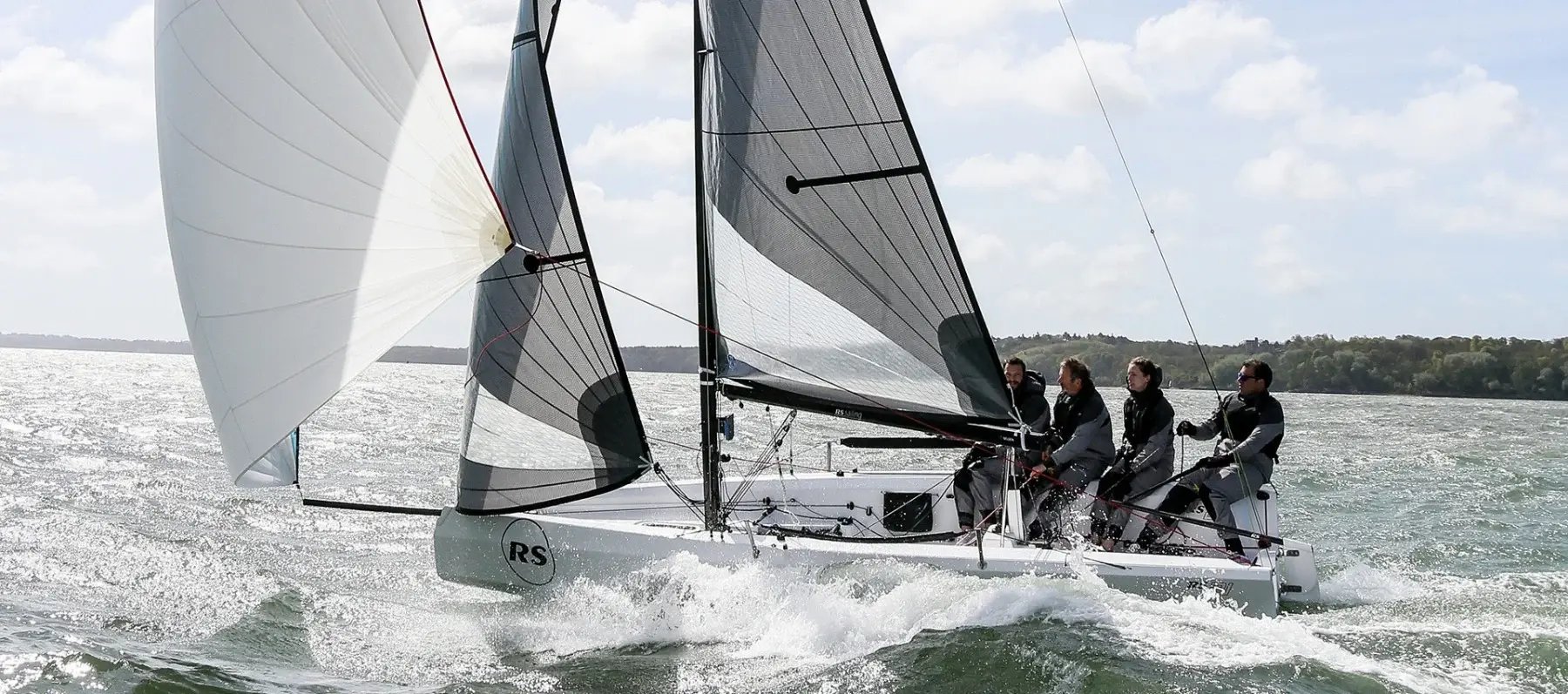
If you keep steering just to stay on course, your helm is out of balance. The neutral helm feels light and stays near the center.
The weather helm pulls the tiller toward you, and the bow heads up. Lee helm pushes the tiller away, and the bow falls off.
Now confirm it with fast checks:
- Wheel position check: If the wheel is held far off center for extended periods, the rudder is creating unnecessary drag.
- Heel check: If the heel stays over about 20 degrees upwind, expect a heavier weather helm. Reduce the heel before you steer harder.
- Wake check: Look at the wake behind the rudder. A straight, quiet wake means low drag, while bubbling and swirls mean the rudder is braking.
Name the feel, run the check, then adjust trim and crew weight.
Learn Heel and Helm Balance With Sailing Virgins
Want to stop fighting the tiller every time a puff hits? Sailing Virgins teaches you how to keep the boat on its feet, keep the rudder near center, and hold course without constant correction.
You won’t just talk about the weather helm. You’ll feel it, fix it, and repeat it until it becomes automatic.
Start with the intermediate courses, where you practice traveler control, reef timing, and crew placement so the helm stays light.
Then level up with the advanced courses, where you refine sail trim and heavy air handling so you stay in control when the wind picks up.
Pick a destination, train all week, and leave with helm control you can trust. Book your Sailing Virgins course today