

Croatia offers a mix of steady winds, calm seas, and a coastline filled with character.
Split places you close to bright island harbors, sheltered bays, and a historic center shaped by Roman stone and sea air.
It’s an easy place to settle in before your course and a satisfying place to unwind after a week on the water.
This guide walks you through the practical details and the memorable moments you can enjoy during your week in Croatia.
Why Croatia Is Perfect for a Week-Long Sailing Course
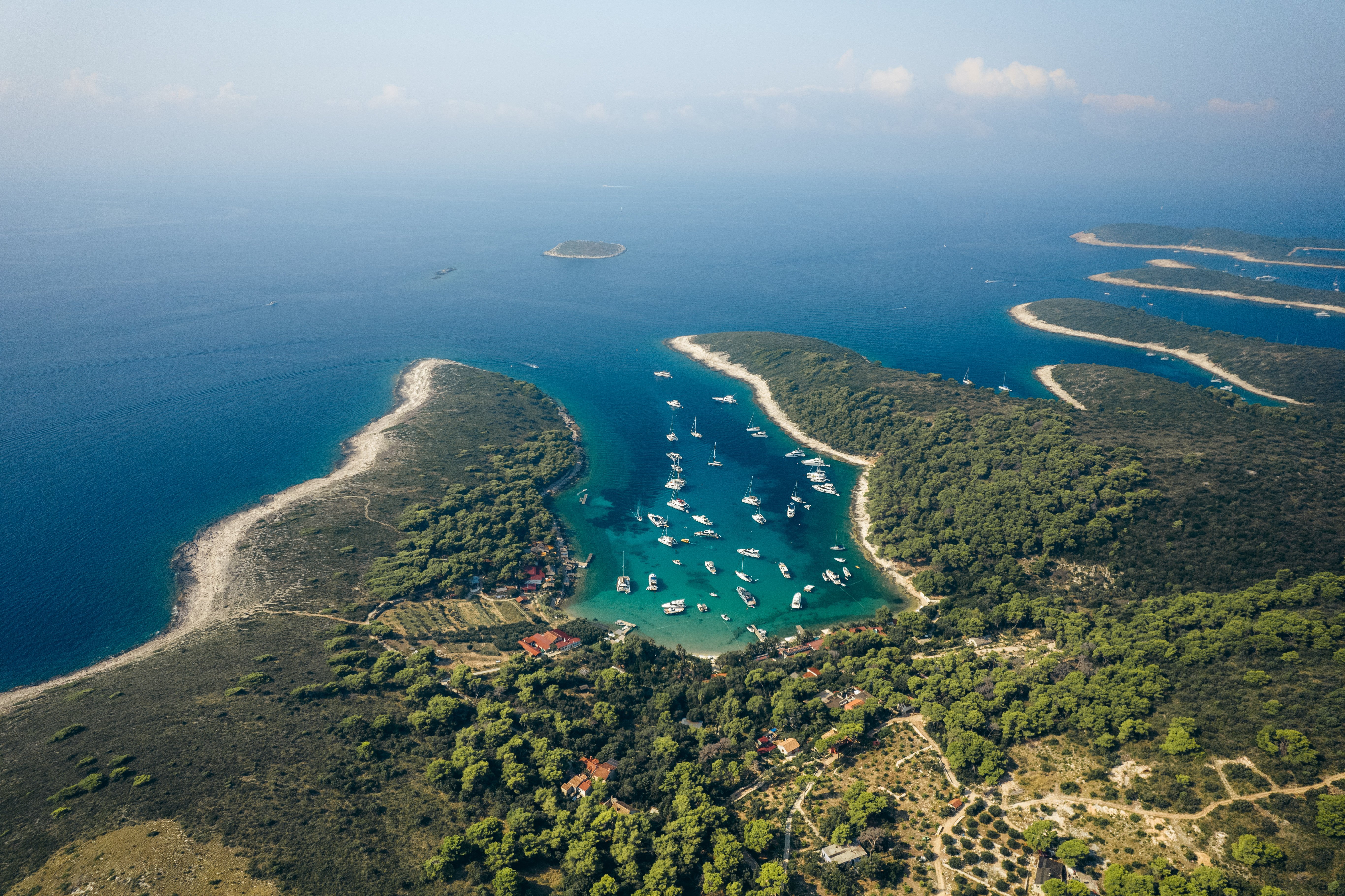
Croatia offers steady summer winds and calm Adriatic waters, which create predictable conditions for learning core sailing skills.
Students can practice sail trim, tacking, and mooring without sudden weather shifts. The coastline provides sheltered bays and well-marked routes that support safe training sessions.
The islands sit close to one another, so daily passages stay short. Brač, Hvar, Korčula, and Vis each offer different anchorages, which give you a range of situations to work through during the week.
This variety helps you apply what you learn in real settings while still keeping travel times manageable.
Getting There & Local Transport
Your trip begins in Split, the gateway to the central Dalmatian coast. This is where your Sailing Virgins adventure starts.
Plan to arrive a day early so you have time to rest before meeting your crew at Marina Kaštela.
Fly Into Split
Most international travelers arrive at Split Airport. It sits in the town of Kaštela, which places it close to both Split and Trogir.
The terminal is small, and you can move from arrivals to the transport area within minutes.
Travel From the Airport to the Marina
Once you land, the meeting point at Marina Kaštela sits about 10–12 km from the airport. The ride usually takes 10–15 minutes.
Here are the main ways to reach it:
- Uber: Uber is widely available and is the easiest way to avoid getting overcharged by local taxis. Expect to pay around €25 to €34. Pickup is located just outside the arrivals area.
- Private transfer: A private driver can meet you inside the terminal. Prices range from €50 to €59, depending on the vehicle size.
- Airport shuttle bus: The most affordable option at €5 to €8. It runs to Split’s main bus station by the waterfront. From there, take a short taxi or rideshare to your hotel or the marina.
- Public bus (Number 37): A slower but budget-friendly route that connects the airport with Split and Trogir. It’s useful if you’re not in a rush.
Most hotels in Split and Kaštela sit 10–20 minutes from Marina Kaštela. You’ll make that short trip the next morning when you meet your crew for the course briefing.
You can view the route from Split Airport to Marina Kaštela on Google Maps.
Where to Stay Before Your Course
If you arrive a day before your course, you’ll find plenty of comfortable places to stay near Split and Kaštela. Many hotels sit close to Marina Kaštela, which keeps your transfer easy the next morning.
Many past students also chose Airbnb for short stays. Apartments in Split and Kaštela often cost less than hotels, especially when shared with other students.
Here are lodging options you can choose from:
Hotel Štacija
Hotel Štacija sits on the waterfront in Kaštel Lukšić. Rooms feel bright and modern, and many overlook the bay.
The restaurant serves local dishes that highlight fresh seafood. It’s also close to the airport, which keeps your arrival smooth.
Distance to Marina Kaštela: 3 km
Estimated cost: Around €83 per night
Cora Hotel
Cora Hotel sits near the Joker Shopping Centre in Split. The rooms are modern, and the wellness area includes an indoor pool, jacuzzi, and sauna.
It’s a great accommodation if you want a quiet stay that’s still within walking distance of the Old Town.
Distance to Marina Kaštela: 5 km
Estimated cost: Around €88 per night
Hotel Mondo
Hotel Mondo sits in a business area of Split. The rooms are comfortable, and the property includes an indoor pool and sauna.
It’s not in the historic center, but it offers good value and quick access by car.
Distance to Marina Kaštela: 5 km
Estimated cost: Around €70 per night
Divota Apartment Hotel
Divota offers a collection of renovated stone houses in the Veli Varoš neighbourhood. Rooms feel homey, and the location sits steps from Diocletian’s Palace.
It’s ideal if you enjoy walking quiet streets and staying close to historic sites.
Distance to Marina Kaštela: 5 km
Estimated cost: Around €80 per night
What to Do Before Your Course
If you arrive early, you’ll have time to explore the area and get a feel for the coastline before your course begins. These short activities introduce you to the history, food, and landscapes in Croatia.
Walk Through Diocletian’s Palace
Duration: 2–3 hours
Cost: Around €6–8 for the Podrumi substructures
Diocletian’s Palace is the centre of Split’s Old Town. The alleys echo with footsteps, and the stone walls reveal layers of Roman history.
The limestone used here came from Brač, an island you may visit during your course.
Shop at the Green Market (Pazar)
Duration: 1 hour
Best time: 07:00–13:00
The Green Market sits near the Silver Gate. Local vendors sell fruit, vegetables, herbs, and cheeses.
Many sailors stop here to pick up Paški sir or Pršut before they board. Both travel well on the boat and offer a taste of the region.
Climb Marjan Hill for a Coastal View
Duration: 1.5–2 hours
Cost: Free
Marjan Hill rises above Split and gives you a wide view of the coast. The path begins near the Varoš neighbourhood and climbs through pine trees. From the top, you can see the islands you’ll soon sail toward.
Explore Trogir’s Old Town
Duration: Half day
Cost: €4 to enter Kamerlengo Castle
This is probably the coolest activity to do before the course. Trogir sits west of the marina and is easy to reach by car or bus.
The Old Town sits on a small island, with narrow channels and bridges that sailors often pass through on coastal routes.
Kamerlengo Castle offers the best views over the harbour and surrounding canals.
Relax and Sip a Coffee at the Riva
Duration: 45–60 minutes
Cost: Varies by café
The Riva is Split’s waterfront promenade. Cafés line the edge of the harbour, and locals sit here for long coffee breaks.
It’s a good place to slow down and watch the marina activity. Many sailors use this time to adjust to the local pace before their week begins.
What to Do After Your Course
Once your course ends, you may want time to relax or explore a bit more of Croatia before heading home.
These activities offer a change of scenery after a week on the water and give you a better look at the region.
Reset at Krka National Park
Duration: Half day to full day
Cost: €20–39, depending on season
Krka National Park offers freshwater pools, shaded paths, and tall waterfalls that contrast with the salt air of the Adriatic.
Buses from Split reach the town of Skradin in about one hour for €10–11. From there, a park boat carries you up the river to the main trails.
Visit Dubrovnik for a Two-Day Extension
Duration: 1–2 days
Cost: €2-14 for the bus and around €43 for the catamaran
Dubrovnik sits south of Split and draws visitors for its stone walls and harbour views. A bus ride takes 4–5 hours along a scenic coastal road.
The catamaran takes about 4.5 hours and offers a smoother trip. Walking the city walls gives you a close view of the defensive design that once protected the old republic.
Book a Wine Tasting and Peka Dinner
Duration: Evening
Cost: Varies by venue
Dalmatia produces notable wines such as Plavac Mali and Pošip. Many tasting rooms highlight these varieties along with Crljenak Kaštelanski, the local ancestor of Zinfandel.
A Peka dinner pairs well with a tasting. Meat and vegetables cook under a metal bell covered with hot coals, which creates slow-roasted flavours.
Restaurants in Split and Trogir often require reservations for Peka since it cooks for several hours.
Spend a Quiet Afternoon on Kaštela’s Beaches
Duration: 1–3 hours
Cost: Free
The Kaštela coastline offers small pebble beaches within minutes of the marina. The water stays clear and calm, and the shorefront paths feel peaceful after a busy week.
It’s a great way to unwind if you prefer to stay close to your hotel.
Practical Tips
These details help you settle into Croatia quickly and avoid surprises during your trip. Keep them in mind before and after your course.
Currency and Payments
Croatia uses the euro. Visa and Mastercard work in most hotels, restaurants, and larger shops in Split and Kaštela.
Here are useful tips to follow:
- Carry a small amount of cash for cafés and markets.
- Keep a few coins for buses, small bakeries, and beach kiosks.
- Use ATMs from major banks to avoid higher withdrawal fees.
Weather and Seasons
Sailing Virgins courses in Croatia take place during the warmer months. Conditions stay sunny and stable from May through October.
Pack for:
- Warm days on the water
- Cooler evenings near the coast
- A light jacket for wind or early mornings
- A hat, sunglasses, and strong sun protection
- Water shoes if you plan to swim near rocky beaches
SIM Cards and Connectivity
Buying a SIM card in Croatia is easy. Around 90% of people just use an eSIM or their existing carrier with a travel data plan, which works well around Split and the islands.
If you prefer a local SIM, they are easy to buy at airport kiosks, Tisak stands, and mobile shops in town.
Here are a few notes to keep in mind:
- Telemach sells tourist packs with unlimited data for about €9–13.
- Coverage is strong around Split and the islands.
- Download offline maps if you want a backup.
- eSIMs work, but local SIMs often have better short-term rates.
Tipping and Etiquette
Tipping is part of everyday life in Croatia. Restaurants typically expect around 10%. Cafés often receive a smaller amount, usually between 3% and 5%.
Always check your bill to see if a service charge has already been added. Cash is preferred for tipping, especially in smaller establishments.
Language and Customs
English is widely spoken in Split and other coastal towns, so you won’t have a hard time communicating with locals.
Even so, learning a few Croatian phrases can make interactions more enjoyable. “Bok” means hello, “hvala” means thank you, and “doviđenja” means goodbye.
Locals appreciate the effort, even if your pronunciation isn’t perfect.
What to Wear
Some historic centres, including parts of Split and Dubrovnik, fine visitors for walking through town in swimwear. Keep a shirt and shorts with you if you plan to explore after the beach.
How This Fits Into Your ASA Certification Journey
Your week in Croatia isn’t only about sailing through island channels and learning local winds. It also moves you forward on the ASA pathway and prepares you for future chartering in Europe.
Each Sailing Virgins course runs as a liveaboard program. You’ll work through manoeuvres, navigation, and crew roles while exploring the central Dalmatian coast.
Certifications available during the Croatia course include:
- ASA 101 and 103 for students starting their training
- ASA 103 and 104 for students who already hold ASA 101
If you already have sailing experience, you can test out of ASA 101 at the start of the week. Many students choose this option to focus on 103 and 104.
Students who complete ASA 104 may then apply for the International Proficiency Certificate (IPC) to charter boats in Croatia and other Mediterranean destinations.
Make Croatia Your Next Sailing Destination
Croatia leaves a vivid impression on anyone who spends time on its water. You’ll remember the color of the sea and the sound of lines tapping against masts.
A week on the Adriatic gives you time to practice sailing habits and get a feel for coastal conditions. It also leaves space for simple enjoyment, whether you’re trimming sails or watching the shoreline drift by.
Learn more about our week-long Croatia courses and earn ASA certifications while exploring one of the most memorable coastlines in Europe.