

Tahiti isn’t just a beautiful island. It’s an experience that stays with you. From black sand beaches to coral reefs and lively local markets, every corner invites you to explore.
If you’re heading there for a sailing course, you’ll want to make the most of your time both on and off the water.
We’ll walk you through where to stay, what to eat, and the best places to visit before and after your Tahiti sailing course.
By the end, you’ll know exactly how to turn your trip into an unforgettable island adventure.
Why Tahiti Is Perfect for a Week-Long Sailing Course
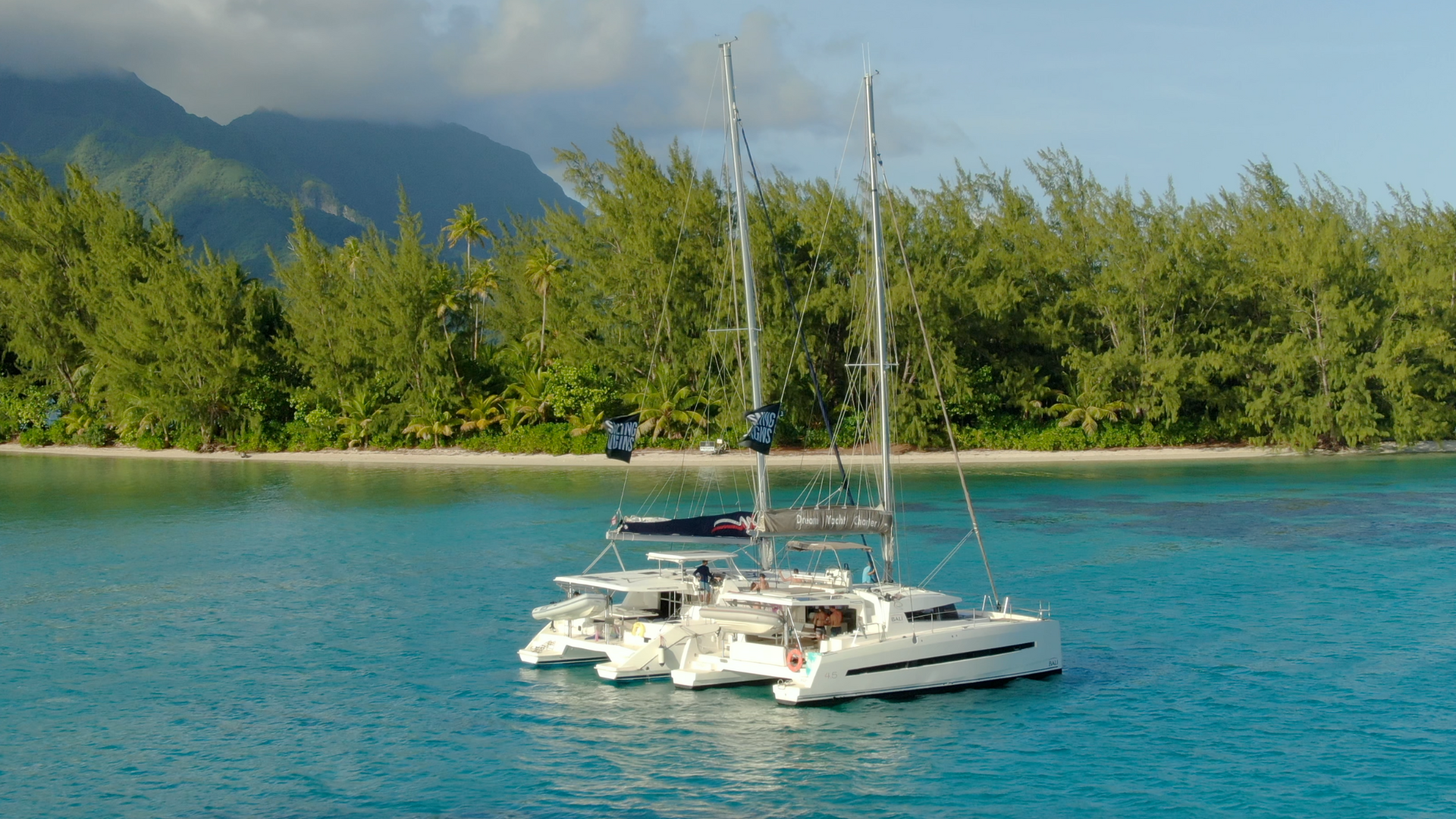
Picture yourself at the helm as a warm, steady trade wind fills the sails. The water beneath your hull glows turquoise and clear, framed by lush volcanic peaks in the distance.
This is Tahiti, a destination made for those who want to learn to sail and love the adventure that comes with it.
French Polynesia’s Society Islands are a sailor’s paradise. Raiatea, Taha’a, and Bora Bora sit inside coral reefs that create calm, protected lagoons.
These natural barriers give you the perfect setting to practice your first anchoring and maneuver drills without heavy swells.
Beyond the reef, short passages between islands offer lively open-water sailing in consistent easterly winds.
Getting There & Local Transport
Getting to Raiatea takes a bit of planning, but it’s all part of the adventure. You’ll take an international flight to Tahiti, followed by a short domestic hop to Raiatea.
Step 1: Fly to Tahiti (PPT)
Your first stop is Faa’a International Airport (PPT) on the main island of Tahiti. This is the only international airport in French Polynesia and the main gateway to the islands.
Typical flight routes:
- From the U.S. West Coast: Los Angeles (LAX), San Francisco (SFO), or Seattle (SEA). Round-trip flights from the U.S. to Tahiti often start at $570 to $759. Some routes may cost more than that.
- From Oceania: Flights from Auckland (AKL) usually cost NZ$800 to NZ$1,200.
- From Asia: Routes from Tokyo (NRT) range from $900 to over $2,000.
- From Europe: Flights from Paris (CDG) start around $1,300 to $1,450 and take at least 22 hours with one or more connections.
Flights from Los Angeles take about eight hours, while those from Europe can take more than twenty with a layover.
Step 2: Connect to Raiatea (RFP)
Once you arrive in Papeete, you’ll need a short domestic flight to Raiatea (RFP). This is where your Sailing Virgins course begins.
Two local airlines, Air Tahiti and Air Moana, operate several daily flights between Papeete and Raiatea.
Tips for booking:
- Reserve your domestic flight when you buy your international ticket.
- Leave at least three hours between flights to clear customs, collect luggage, and check in again.
- Avoid international arrivals late at night since domestic flights end by evening. If your flight lands late, stay a night in Tahiti and fly to Raiatea the next morning.
Step 3: From Raiatea Airport to the Marina
Once you land at Raiatea Airport (RFP), you’re nearly there. The airport is only three kilometers from Uturoa Marina, about a five-minute taxi ride.
Taxis wait outside the terminal. They aren’t metered, so agree on the fare before getting in. A short transfer to the marina usually costs around 2,000 XPF (about $19).
You can check the quick route here.
Where to Stay Before Your Course
Raiatea has a calm, welcoming charm that feels far removed from bigger islands. You’ll find cozy guesthouses, small hotels, and family lodges that reflect true Polynesian warmth.
Staying close to Uturoa Marina keeps you near your crew and helps you start the course without delays. Here are a few trusted options that suit different budgets and travel styles.
Raiatea Lodge Hotel
Raiatea Lodge Hotel sits about 10 minutes from Uturoa Marina. It offers peaceful lagoon views and a relaxed atmosphere. The restaurant serves fresh seafood and French-Polynesian dishes.
You can rest by the pool or ride a bicycle through nearby villages. It’s ideal if you want a calm, comfortable stay before boarding the boat. Prices often start around $540 per night.
Te Ava Piti Lodge
Te Ava Piti Lodge lies close to Raiatea Marina and Mount Tapioi. It provides easy access to both the town and the water. The garden and open-air lounge create a casual, social setting.
Guests can borrow free bicycles to explore Uturoa or shop for last-minute items. Rooms usually begin around $100 per night.
Fare Oviri Lodge
You’ll find this peaceful lodge about 40 minutes south of Uturoa. Fare Oviri Lodge sits on a private beach surrounded by lush trees and calm water.
Guests often kayak in the lagoon or enjoy dinner at the small on-site restaurant. The atmosphere feels quiet and friendly. Rates average about $175 per night.
What to Do Before Your Course
Arriving a day or two early helps you settle into island life before the course begins. Raiatea moves at a calm pace, and locals welcome visitors with warmth.
Use this time to rest, explore, and adjust to the rhythm of Polynesia before setting sail.
Kayak the Faaroa River
The Faaroa River is the only navigable river in French Polynesia. You can take a guided kayak tour that leads from the lagoon into a lush green jungle.
The air feels warm and heavy with the scent of tropical plants. The only sounds are birds and your paddle breaking the still water.
Quick details:
- Duration: About 3 hours
- Cost: Around $59 per person
Visit the Taputapuātea Marae
This UNESCO World Heritage site lies on Raiatea’s southeast coast. Taputapuātea Marae served as a sacred meeting place for Polynesian navigators and priests.
The massive stone platforms overlook the sea where ancient voyagers once departed for faraway islands.
Local tip: Combine this visit with a river kayak tour for a full-day adventure. Many guides offer this option.
Take a Short Hike for Lagoon Views
For a quick hike, try the Crête des Macaranga Trail, a gentle path that takes about half an hour. It winds through tropical vegetation and opens to panoramic views of the mountains and the reef.
Explore Uturoa Market
Spend an hour browsing the Uturoa Market before you meet your crew. The market bursts with color, sound, and the scent of tropical fruit and vanilla.
You’ll find:
- Fresh fruit, fish, and local produce
- Tahitian vanilla beans and monoi oil
- Handwoven baskets, pareos, and wooden carvings
- Food stalls serving pua’a roti (crispy roasted pork) and fresh juices
It’s the perfect place to stretch your legs, grab local snacks, and pick up souvenirs before the course starts.
What to Do After Your Course
You’ve completed your Sailing Virgins course and earned your ASA certifications. Before you fly home, take time to unwind and explore a few nearby gems.
Whether you crave more adventure or want to relax completely, Tahiti offers the perfect mix of both.
Take a Day Trip to Moorea
Once you return to Papeete for your international flight, you’re only a short ferry ride from Moorea, Tahiti’s lush sister island.
How to get there:
- Take a 10-minute taxi from the airport to the Papeete Ferry Terminal
- Choose a ferry operator such as Aremiti or Terevau
- The ride takes 30 to 45 minutes and costs $12-18 each way
What to do in Moorea:
- Relax at Temae Beach or Ta’ahiamanu Beach
- Snorkel at Coral Garden Tiahura, known for its colorful reef and clear water
- Visit the Belvedere Lookout for sweeping views of Opunohu Bay
It’s an easy, rewarding day trip and a great way to close your trip with one last tropical escape.
Experience Papeete by Day and Night
Don’t treat Papeete as just a stopover. It’s a lively city filled with flavor, color, and culture.
During the day:
- Visit the Papeete Municipal Market to browse fresh fruit, black pearls, and handwoven crafts
- Shop for pareos (sarongs), monoi oil, and local spices
- Walk along the waterfront and watch the ferries come and go
At night:
- Head to Vai’ete Square, where dozens of roulottes (food trucks) set up around 6 p.m.
- Try poisson cru, grilled mahi-mahi, or Chinese stir-fried noodles
It’s one of the most authentic and social dining experiences in French Polynesia.
Go Diving in Raiatea or Bora Bora
If you’re certified, diving here is an unforgettable way to cap off your sailing week.
Popular dive sites:
- The Nordby Wreck (Raiatea): A three-masted ship from 1900 resting in clear water, teeming with marine life
- Teavapiti Pass (Raiatea): Known for schools of reef sharks and barracuda
- Anau and Tapu (Bora Bora): Two of the South Pacific’s most scenic dives
Local PADI centers offer half-day or full-day excursions. Most divers book in advance, especially during the dry season.
Unwind at a Lagoon Resort
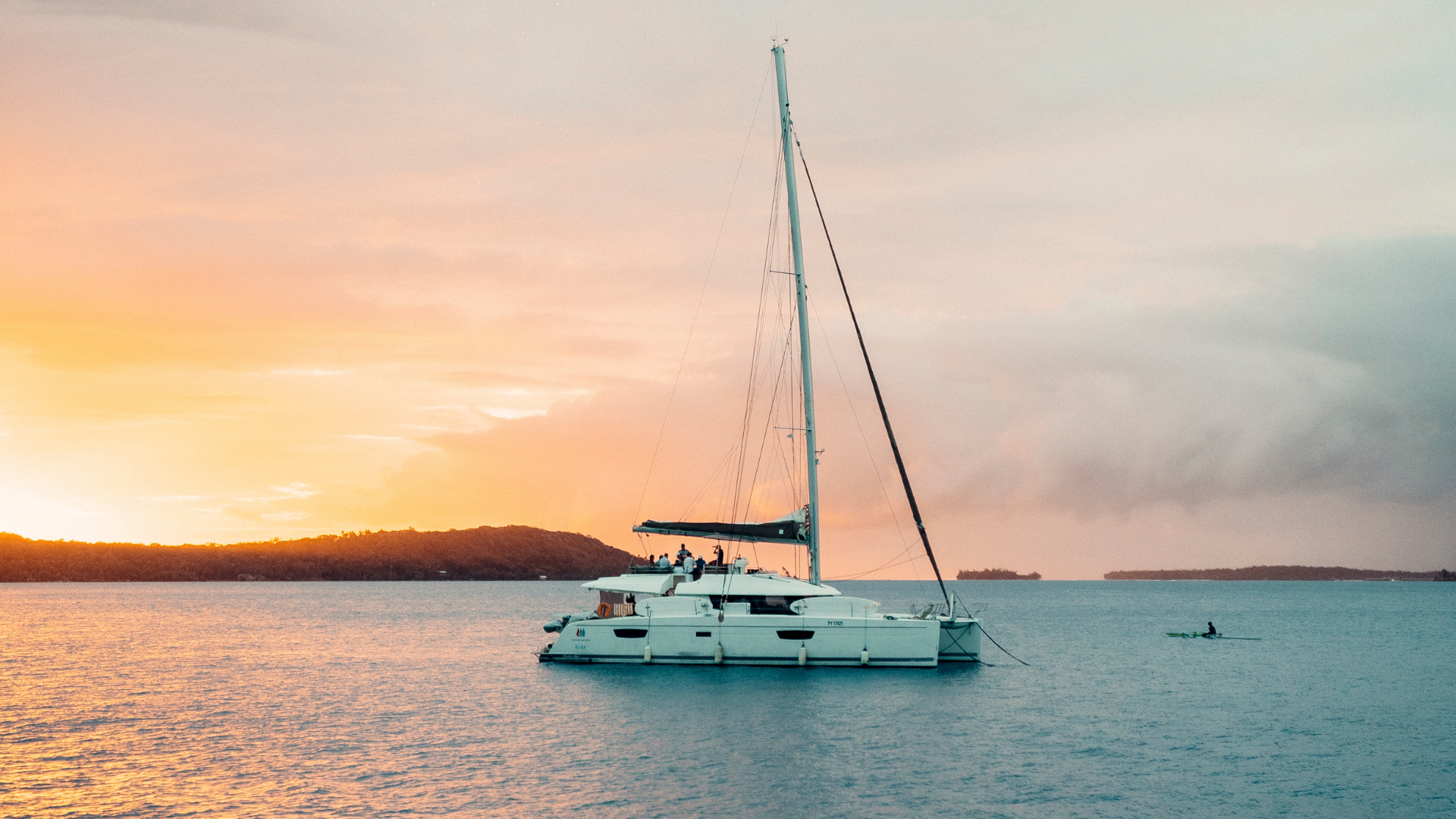
After a week of line handling and night watches, a day of pure rest might be just what you need. Book a spa session or spend a night at a lagoon-side resort.
Here are some good options:
- Le Taha’a by Pearl Resorts: Offers overwater bungalows and a peaceful spa with traditional Taurumi massages
- InterContinental Bora Bora Le Moana Resort: Ideal for those who want to extend their stay in luxury before heading home
A single night here feels like a reward for your effort and focus on the water.
Practical Tips
Traveling in French Polynesia is easy once you know a few local customs and essentials. These small details make your trip smoother and your time on the islands more enjoyable.
Currency and Payments
The local currency is the French Pacific Franc (XPF or CFP), which is tied to the Euro at a fixed rate. One Euro equals about 119 XPF.
Most hotels and restaurants accept Visa and Mastercard, but smaller vendors, taxis, and food stalls often prefer cash.
Withdraw money at the airport in Papeete or at an ATM in Uturoa before heading to the marina.
Tipping Culture
Tipping isn’t part of daily life in French Polynesia. Locals don’t expect it, though it’s always appreciated for exceptional service. If you’d like to show gratitude, round up the bill or leave a few coins rather than a set percentage.
Weather and Best Seasons
French Polynesia enjoys a tropical climate all year round. The air and sea stay around 80°F (27°C).
The dry season, from May through October, brings steady trade winds and pleasant sailing conditions.
The wet season, from November through April, feels warmer and more humid, with occasional showers that pass quickly.
Connectivity
SIM cards from Vini or Vodafone are easy to buy at the airport or in town. Vini usually provides the strongest coverage between islands.
Wi-Fi works in most hotels and cafés, though it can slow down in the evenings. Keep important maps or reservation details downloaded in advance in case of spotty service while sailing.
Language and Etiquette
French and Tahitian are the main languages, but English is common in tourism areas. A few Tahitian phrases can make a big difference:
- “Ia ora na” (hello)
- “Māuruuru” (thank you)
- “Nānā” (goodbye)
When you visit villages or sacred sites, wear modest clothing. Cover your shoulders and knees at marae or churches, and remove your shoes before entering homes.
Respect for local customs earns warm smiles everywhere you go.
How This Fits Into Your ASA Certification Journey
Your week in Tahiti isn’t just a sailing course. It’s a milestone in your progress as a capable sailor. Each level builds your skill set and helps you handle new situations on the water.
Here’s how your Sailing Virgins Tahiti course connects to your ASA pathway:
- ASA 101 (Basic Keelboat Sailing): You’ll master the essentials of steering, sail trimming, and basic navigation.
- ASA 103 (Coastal Cruising): You’ll plan short routes, dock, moor, and anchor under changing conditions.
- ASA 104 (Bareboat Cruising): You’ll skipper a larger yacht, organize provisions, and plan multi-day passages between islands.
- ASA 105 (Coastal Navigation): You learn to navigate with charts, tide tables, current tables, and dead reckoning without relying on electronics.
- ASA 106 (Advanced Coastal Cruising): You apply those navigation skills on the water during longer passages, night sails, and more demanding conditions.
- ASA 114 (Catamaran Cruising): Offered as an extra certification, this level qualifies you to charter multihulls worldwide.
Completing two ASA levels in one week sets a strong foundation for future sailing. After earning ASA 104, you can apply for the ASA International Proficiency Certificate (IPC).
This certificate lets you charter boats in Europe and other regions that require proof of competence.
Set Your Sights on the Next Horizon With Sailing Virgins
You’ll leave Tahiti with salt on your skin, new skills in your logbook, and stories that stay with you long after the sails come down. The islands have a way of doing that.
The sunsets, the quiet anchorages, and the moments when you finally trust your hands on the helm.
You’ve mastered the basics, handled the wind, and discovered what life at sea truly feels like. Now it’s time to decide where you’ll take those skills next.
Ready for your next sailing adventure? Join us in Tahiti and earn your ASA certifications while exploring the islands that have inspired generations of sailors!