

Why Getting Your ASA 101 to 104 in One Week Is a Bad Idea
We get asked this question all the time: Can I get my ASA 101 to 104 in one week?
There are sailing schools out there that offer this, and I totally get the appeal. If someone's offering it, it sounds like great value—you should be able to get all those skills in one week, right?
Here's the thing: it's just not possible to do it properly in one week if you join as a complete beginner. Let me explain why.
What You're Actually Covering
Let's break down what each certification involves:
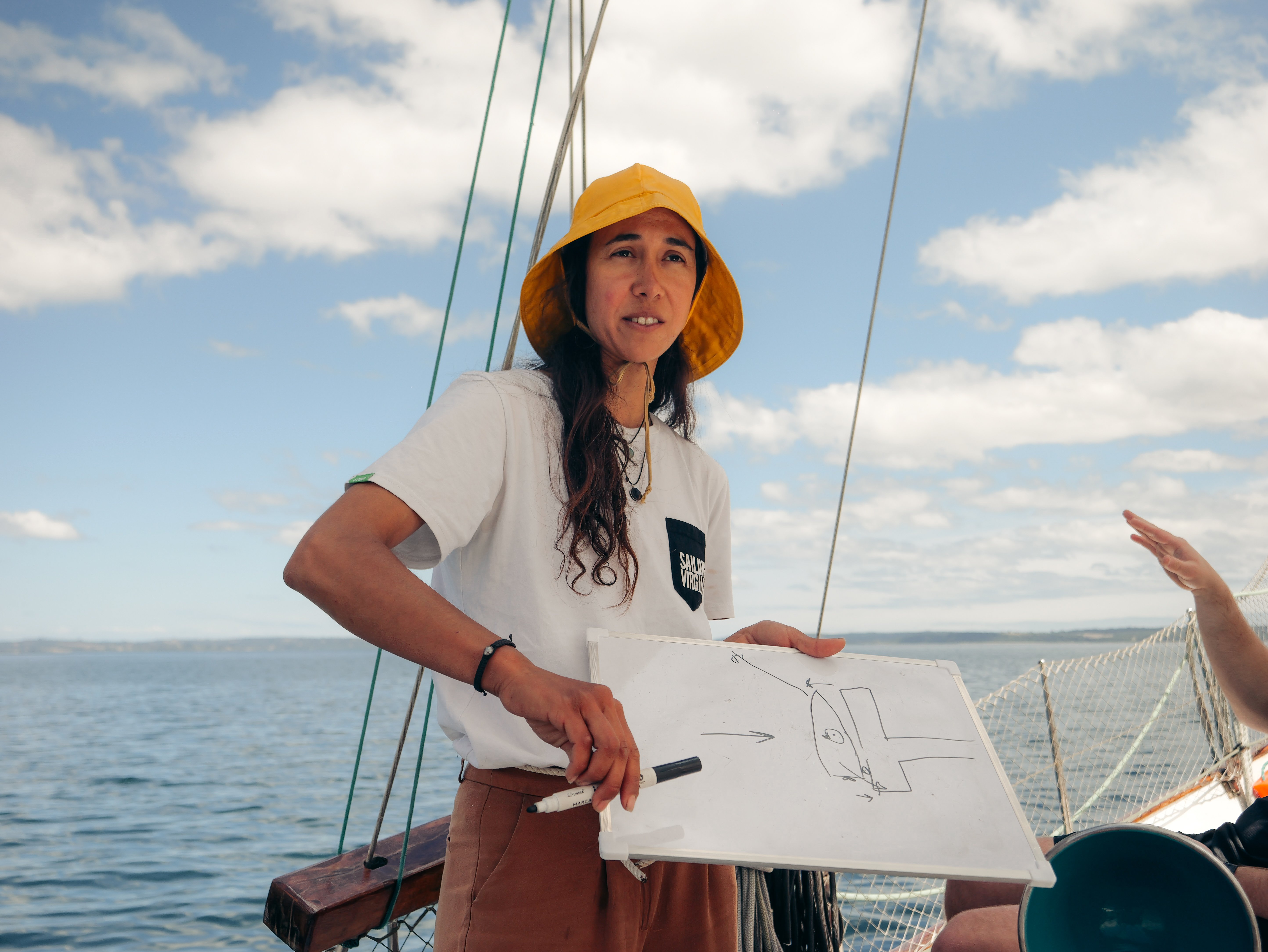
ASA 101 is all about learning what a boat actually is. What are pushpits and pulpits? Guardrails, sheets, halyards, outhauls—there's a whole vocabulary of sailing terms that are essential to know. The 101 is all-encompassing in that regard, giving you the foundation of understanding the boat itself.
ASA 102 builds on that foundation, increasing your sailing skills and competency on the water.
ASA 103 gets into cruising. Now you're becoming a really competent crew member—getting your knots down, developing the skills to be an effective number two on a boat.
ASA 104 is about being able to skipper yourself. This is where you can confidently take a boat out with your family for a week.
So when you say you want to go from 101 to 104 in one week, what you're really saying is: I want to go from not having any idea about a boat to being a completely competent skipper responsible for my friends and family's safety—in seven days.
When you put it that way, you can see that's a huge amount of skill to acquire in such a short time. We believe—and several other reputable sailing schools agree—that it's actually a bit reckless.
The Experience Problem
Sailing is an interesting sport because it's science, art, and athletics all rolled into one.
You've got to learn the science—the physics of how a boat moves through water. You've got to understand decision-making—the subtle art of making the right calls at the right time, managing your crew, reading situations. And then there's the physical side—the muscle memory that comes from actually doing these activities with your hands and body.
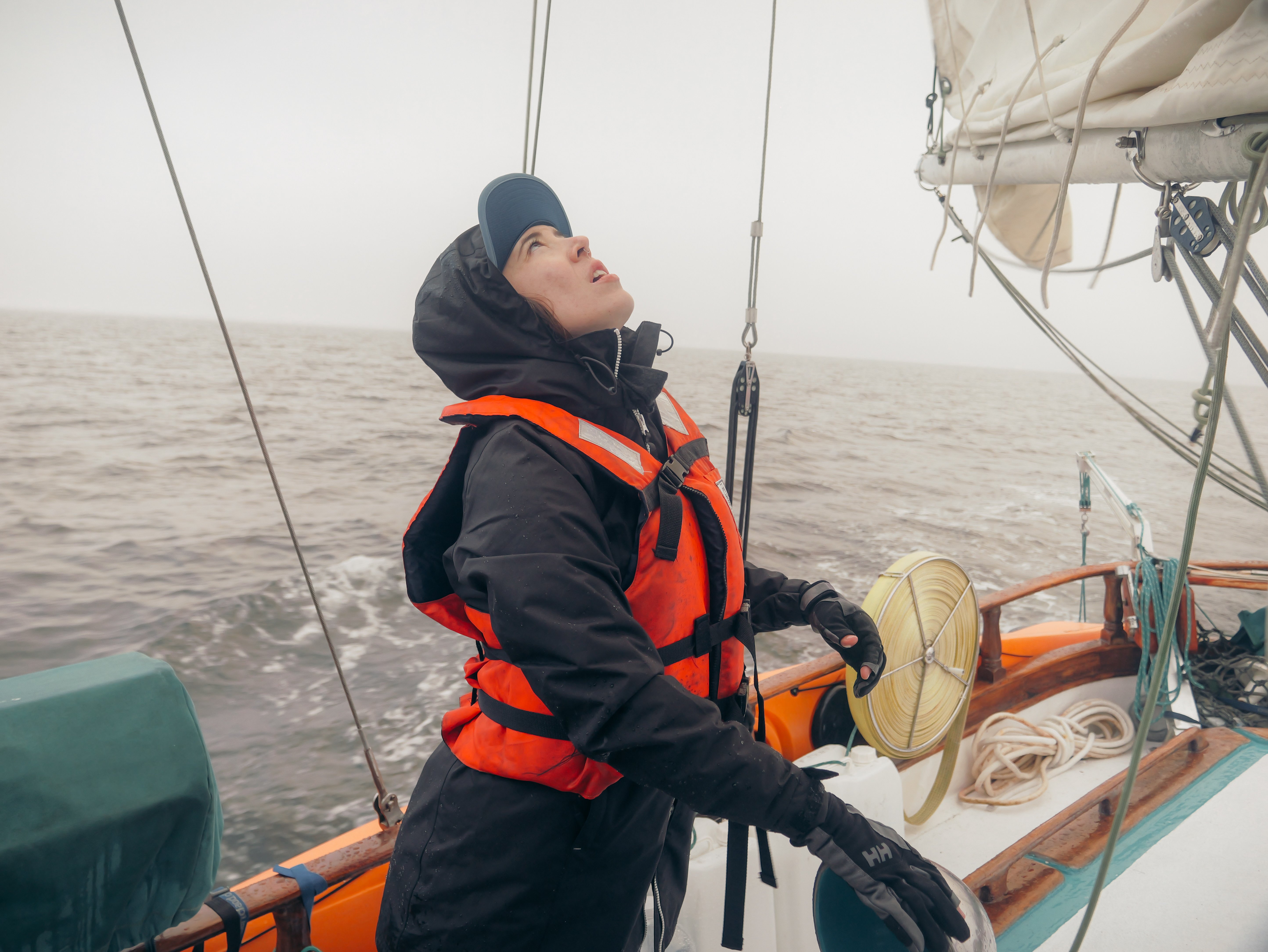
These things take time to develop. It's like flying an aircraft. Sailing requires experience and hours. There's muscle memory involved, understanding of weather patterns, the ability to anticipate what's happening, and knowing what to do when something breaks.
Because really, that's the test of a sailor: when things go wrong unexpectedly, what do you do?
What Happens When You Rush It
When people try to cram this many levels into one week, they're often setting themselves up to fail. Cognitive overload is real—there's simply too much information to absorb, and your brain starts to shut down.
There's a right pace for learning these skills. Now, if you've spent years doing wind sports, water sports, and navigation—or you're already a pilot—you might have a head start. But if that's not your background, you really want to take your time and actually enjoy the process of learning to sail.
The Right Way to Do It
There are several paths to getting certified properly:
- If you know someone who sails, you can get a lot of basic experience just sailing with them, then tune up your skills with a formal course.
- You might join a course from the very beginning with no experience at all and get your 101 & 103—that's totally fine.
- You could do your 101 locally, then come out to the Caribbean to complete your 103 and 104 in a more immersive environment.
The key is: don't try to cram it all into one week.
The Takeaway
If you want to learn to sail, that's awesome—do it. It's one of the best decisions you can make. Just don't rush it.
Take your time. Find a school with instructors who match your vibe. And enjoy the process of becoming a sailor.
It's a journey worth savoring. Join one of our courses now!